Easy Bat Appliqué Crochet Pattern: Step-by-Step Guide
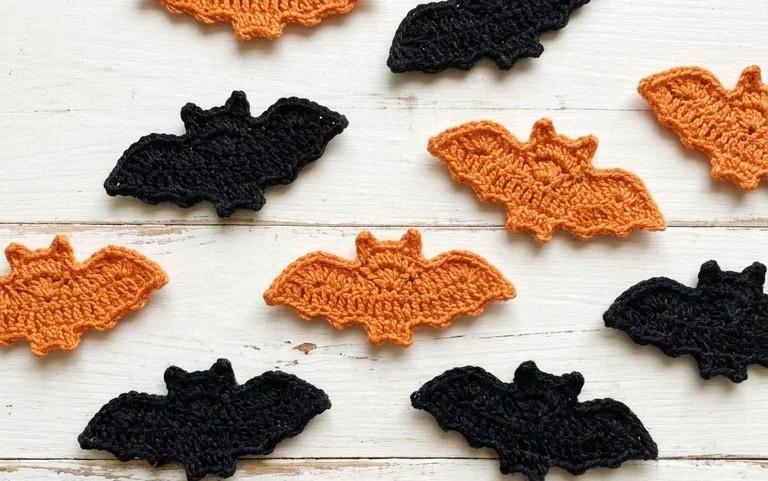
This tiny bat shape features a smooth, firm surface that stands up well when attached to hats, bags, or holiday clothing. Measuring just three inches across, this quick project transforms leftover yarn scraps into a playful accessory that feels soft yet substantial in your hand. Beginners appreciate how the pattern builds through basic stitches like chain, single, and half-double crochet to form the wings and body. You can finish one in less than twenty minutes, which makes it a fun way to experiment with color or add personality to handmade gifts for friends who enjoy spooky season decor.
Why You’ll Love This Pattern
This classic crochet dishcloth works up quickly using basic stitches, making it an ideal project for those who want a practical household item completed in a single afternoon. Because it uses a simple combination of single and double crochet stitches, the fabric develops a textured surface that is particularly effective for scrubbing dishes and wiping down counters. You will find that this pattern is exceptionally scrap-yarn friendly, allowing you to use up partial skeins of cotton that might otherwise sit in your stash. Furthermore, the finished dishcloth is durable enough to withstand daily use and frequent machine washing, which makes it a thoughtful, handmade gift for housewarmings or holiday baskets.
I finished this dishcloth in just under an hour while watching a movie. The texture is much better than the store-bought versions I used to buy, and it holds up perfectly after several trips through the laundry.
— Sarah, home crafter
Pattern Overview & Skill Level
- Skill Level: Beginner
- Approximate Time: 45–60 minutes
- Construction: Worked in flat rows, turning at the end of each row.
- Finished Dimensions & Sizing: Approximately 8 inches by 8 inches.
Materials & Supplies Needed
- Yarn: Worsted weight (#4) 100% cotton yarn, approximately 45–50 yards. Cotton is preferred for its absorbency and heat resistance.
- Hook Size: 5.0 mm (US H-8).
- Notions needed: Tapestry needle for weaving in ends, scissors.
- Safe yarn substitutions: You may use a cotton-acrylic blend for a softer feel, though it will be slightly less absorbent than 100% cotton. Avoid wool or synthetic fibers like acrylic that are not heat-treated for kitchen use, as they may melt or lack the necessary scrubbing texture.
Stitch Guide & Abbreviations (US Terms)
- ch = chain
- sc = single crochet: Insert hook into stitch, yarn over, pull up a loop, yarn over, pull through both loops on hook.
- dc = double crochet: Yarn over, insert hook into stitch, yarn over, pull up a loop, yarn over, pull through two loops, yarn over, pull through remaining two loops.
- st/sts = stitch/stitches
- sk = skip
- turn = turn your work to begin the next row
Step-by-Step Pattern Instructions
Main Body
- Row 1: Ch 30. Sc in second chain from hook and in each chain across. (29 sts)
- Row 2: Ch 1, turn. Sc in the first st, dc in the next st. Repeat sc, dc pattern across the row, ending with a dc in the final st. (29 sts)
- Row 3: Ch 1, turn. Sc in the first st, dc in the next st. Repeat sc, dc pattern across the row, ending with a dc in the final st. (29 sts)
- Rows 4–28: Repeat Row 3 until the piece measures 8 inches from the starting edge. (29 sts)
Finishing
Once you reach the desired length, fasten off your yarn, leaving a 6-inch tail. Use your tapestry needle to weave the yarn tail securely through the stitches on the back side of the cloth to prevent unraveling during washing. Trim any excess yarn close to the fabric.
Care & Washing Instructions
- Machine wash in warm water on a gentle cycle to maintain the shape and integrity of the cotton fibers.
- Tumble dry on low heat or lay the dishcloth flat on a clean towel to air dry to prevent shrinkage.
- Reshape the dishcloth while damp if necessary and allow it to dry completely before storing it in a drawer.
Pro Tips & Common Mistakes to Avoid
Maintaining consistent tension is the primary factor in ensuring your dishcloth lies flat. If your edges are curling, try using a slightly larger hook or consciously loosening your yarn tension as you pull through the loops. Always place a stitch marker in the first stitch of every row to ensure you do not accidentally skip the final stitch, which causes the edges to slant inward over time. When weaving in your ends, run the needle through the center of the stitches rather than over the top to keep the tails hidden and secure. If you wish to change the size, simply increase or decrease your starting chain by an odd number, which will adjust the width without altering the stitch pattern.
Frequently Asked Questions
Can I use a larger hook size than recommended?
Yes, using a larger hook will result in a looser, more open fabric. This can make the dishcloth dry faster, but it will be less effective for scrubbing stubborn food residues from dishes.
Is this pattern suitable for someone who has never crocheted before?
Yes, this project only uses basic single and double crochet stitches. It is a very accessible way to practice maintaining consistent tension across a flat surface.
Can I sell the finished items made from this pattern?
You are welcome to sell finished items made from this pattern. Please provide credit to the designer whenever possible to support continued free content development.
How do I substitute a different yarn weight?
If you use a thinner yarn (like DK weight), you will need to increase your starting chain length and add more rows to achieve the same 8-inch square dimensions. If you use a thicker yarn, reduce your starting chain length accordingly.
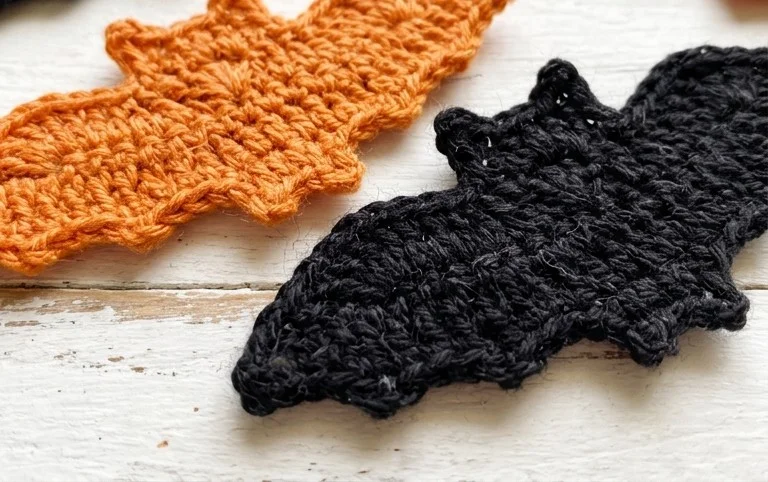
Your finished bat is ready to fly once you weave in those final tails and secure the piece onto your chosen item. Consider using a fuzzy mohair blend if you want a softer, more realistic look for your finished appliqué. If you feel happy with how your work turned out, please post a photo of your creation on Instagram to show off your custom color choices. You can find more free seasonal projects by browsing the library of patterns on the main page of this blog.