Easy Linen Stitch Dishcloth: Free Beginner Pattern
My kitchen sink feels much more organized when I have a fresh stack of these handmade linen stitch cloths ready for the day. These rectangular scrubbers have a dense, firm weight that makes them grip onto stuck-on food without scratching delicate surfaces like your favorite non-stick pans or seasoned cast iron. You will find that the rhythm of repeating two simple stitches provides a grounding activity after a long day of work or parenting. This project suits absolute beginners who want to practice consistent tension while creating a functional item that adds a touch of handmade care to a home.
Why You’ll Love This Pattern
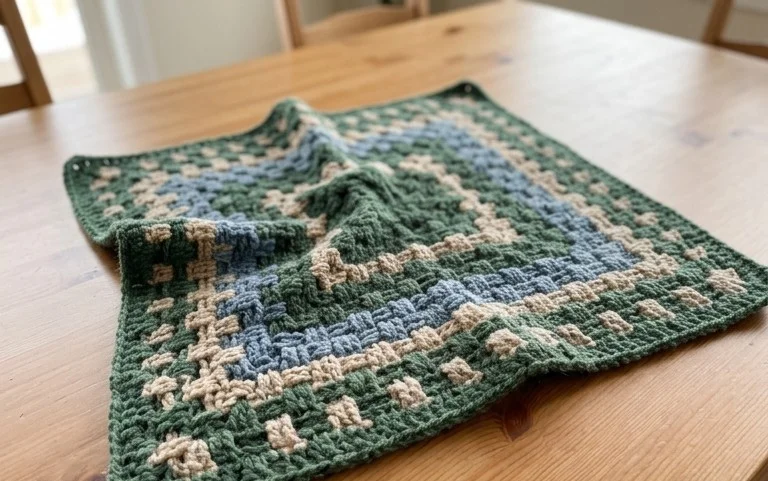
This classic crochet dishcloth relies on the durable linen stitch, which creates a dense, woven-like fabric that is perfect for scrubbing dishes or wiping down kitchen counters. Because it uses only single crochet and chain stitches, it serves as a meditative project for those evenings when you want to keep your hands busy without needing to focus on a complex chart. The rectangular shape provides a generous surface area, and the texture stands up well to frequent washing and heavy use in a busy home environment. You can finish one of these in a single afternoon, making it an ideal choice for last-minute gifts or stash-busting your collection of cotton leftovers.
I finished this dishcloth in a weekend and it has become my favorite tool in the kitchen because it grips stubborn spots on my cast iron pans much better than the store-bought sponges I used to buy.
— Sarah, home cook
Pattern Overview & Skill Level
- Skill Level: Beginner
- Approximate Time: 2 to 3 hours
- Construction: Worked back and forth in rows
- Finished Dimensions: 8 inches by 8 inches
Materials & Supplies Needed
- Yarn: Worsted weight (#4) 100% cotton yarn, approximately 75 yards per dishcloth.
- Hook Size: 5.0 mm (US H-8).
- Notions: Tapestry needle for weaving in ends, scissors.
- Yarn Substitutions: Any medium-weight cotton or cotton-linen blend works well. Avoid acrylic yarn for dishcloths as it lacks the necessary absorbency for cleaning tasks and can melt if it touches a hot stove surface.
Stitch Guide & Abbreviations (US Terms)
- ch: Chain
- sc: Single crochet
- st/sts: Stitch/stitches
- sk: Skip
- turn: Turn your work to start the next row
- Linen Stitch: Also known as the moss stitch, this is created by alternating single crochet stitches and chain stitches. You will sc in the chain-space of the row below to create the classic woven look.
Step-by-Step Pattern Instructions
The linen stitch is worked over an even number of stitches to ensure the edges remain straight throughout the project.
- Foundation: Ch 32.
- Row 1: Sc in the 4th ch from the hook, *ch 1, sk 1 ch, sc in the next ch. Repeat from * across until 1 st remains, sc in the last ch. (16 sc, 15 ch-1 spaces).
- Row 2: Ch 2, turn. Sc in the first ch-1 space, *ch 1, sk 1 sc, sc in the next ch-1 space. Repeat from * across, finishing with a sc in the turning chain space. (16 sc, 15 ch-1 spaces).
- Rows 3–45: Repeat Row 2 until the piece measures 8 inches in height or reaches your desired square size.
- Finishing: Fasten off your yarn, leaving a 6-inch tail. Use your tapestry needle to weave the tail back and forth through the stitches on the backside to secure the end. Clip any excess yarn close to the fabric.
Care & Washing Instructions
- Machine wash in warm water on a gentle cycle to remove kitchen residue and oils.
- Lay the dishcloth flat on a towel to air dry, which helps prevent the cotton fibers from becoming overly stiff or shrinking in a high-heat dryer.
- Pull the edges gently while damp to reshape the square if the fabric curls slightly after washing.
Pro Tips & Common Mistakes to Avoid
- Maintain a consistent tension throughout your rows, as even small fluctuations in how tightly you hold your yarn will cause the dishcloth to look uneven or develop wavy edges.
- Place a removable stitch marker in the first stitch of every row to ensure you are catching the final chain-space correctly; this prevents the common mistake of accidentally decreasing your stitch count at the end of the row.
- Weave your ends in by threading the tail through at least three different directions within the stitches, which prevents the yarn from unraveling when the cloth is agitated in the washing machine.
- Adjust the size of your dishcloth by adding or subtracting stitches from your foundation chain in multiples of two; remember that increasing the size will require a larger yardage of cotton yarn than the 75 yards specified.
Frequently Asked Questions
Can I use a different yarn weight for this pattern?
You can use a lighter weight yarn such as DK or sport, but you will need to increase the number of foundation stitches significantly to maintain the 8-inch finished size. Ensure your hook size matches the yarn label recommendation for the best fabric density.
Why are the edges of my dishcloth uneven?
Uneven edges usually result from missing the final chain-space at the end of a row or pulling the turning chain too tightly. Use a stitch marker to keep track of the start and end of every row.
Are these dishcloths safe to sell at craft fairs?
Most designers allow the sale of finished items made from their patterns, but always check the specific copyright terms provided by the pattern source before listing them for commercial sale.
Is cotton yarn the only option for kitchen use?
100% cotton or cotton-linen blends are the industry standard for kitchen textiles because they are highly absorbent and heat resistant. Avoid synthetic fibers like polyester or acrylic, as they do not soak up water effectively and can be dangerous near heat sources.
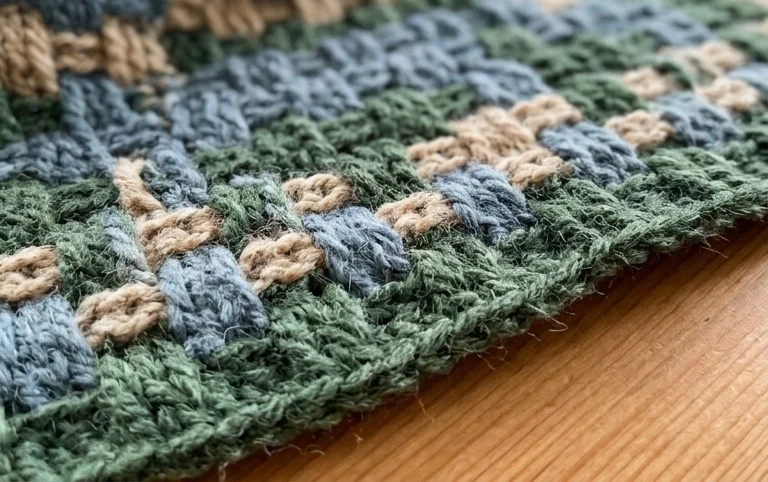
Holding this finished dishcloth in your hand reminds you that even the simplest household chores become more pleasant with a bit of color and texture. Try using a variegated cotton yarn if you want a playful look that hides stains better than solid colors. If you decide to crochet a few more for your own linen closet, please share a photo of your stack on social media. You can find more free patterns for other useful kitchen items on my blog as you continue your making journey.